Deciphering Multi-Level Reward Architectures for Wheel Games in Licensed British Online Venues
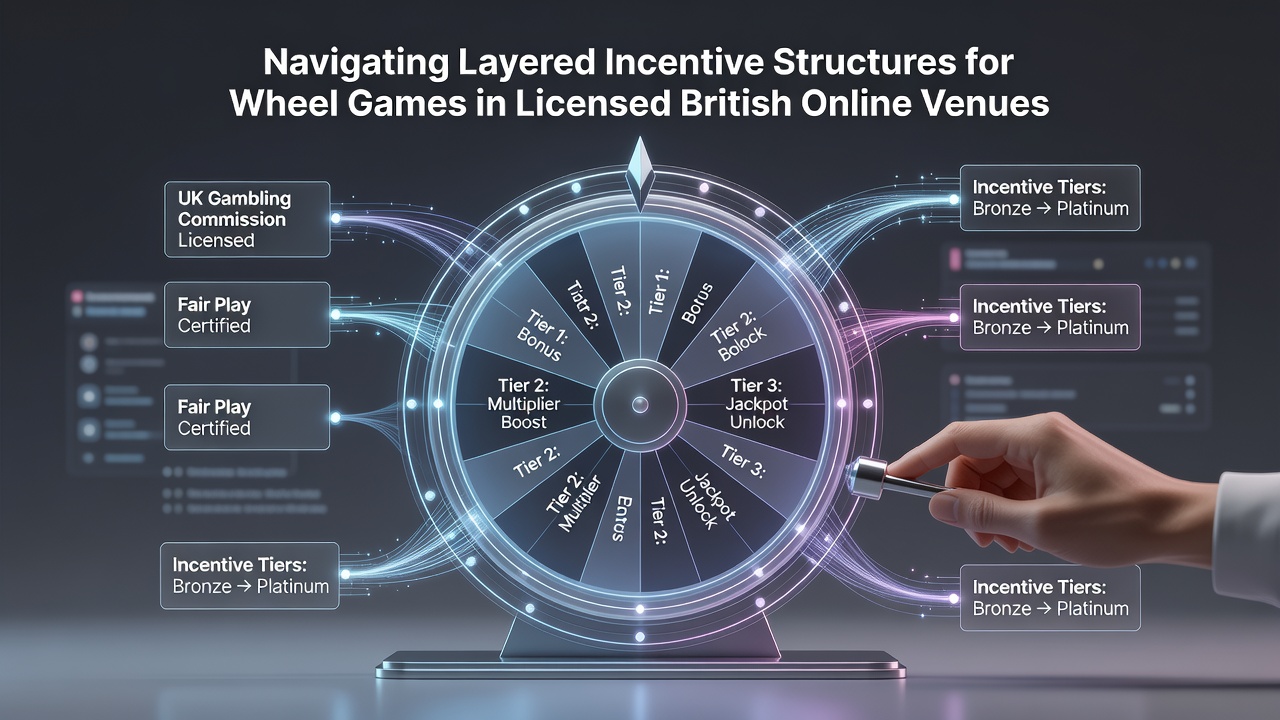
Layered incentive structures in licensed British online venues combine welcome packages, reload bonuses, loyalty tiers, cashback programs, and tournament entries into interconnected systems that players must track across multiple accounts and promotional calendars. These frameworks operate under strict regulatory oversight that requires clear terms on wagering requirements, expiration dates, and game eligibility, which means participants often maintain spreadsheets or apps to monitor progress through each layer without breaching any single platform's rules.
Research from the Responsible Gambling Council in Canada indicates that players who engage with multi-tier systems tend to spread activity across several sites to maximize matching rates on deposits while staying within daily and weekly limits set by individual operators. Data shows that October 2026 saw increased activity in these structures as new promotional calendars rolled out ahead of seasonal events, with many venues adjusting cashback percentages based on monthly volume rather than single-session totals.
Core Components of Layered Systems
Base layers typically begin with deposit matches that carry specific wagering multiples applied only to wheel games such as roulette and its variants, while subsequent layers activate once players reach volume thresholds measured in real-money bets. Observers note that cashback components often sit at the middle tier, returning a percentage of losses after a qualifying period, yet these returns frequently convert into bonus credit rather than cash, which then carries its own playthrough conditions.
Tournament entries form an outer layer that rewards consistent participation with leaderboard points or direct prize pools, and these competitions run on fixed schedules that align with deposit promotions to encourage simultaneous engagement. Studies from the National Council on Problem Gambling in the United States reveal that players who combine tournament play with loyalty accumulation achieve faster tier progression, although the points systems differ across venues and require separate tracking for each operator.
Tracking Requirements and Compliance
Participants navigate these structures by reviewing terms that specify which wheel variants contribute fully toward wagering and which receive reduced percentages, a detail that changes between standard European roulette and faster automated versions. Venues publish updated eligible game lists monthly, and those who monitor these changes avoid situations where partial contributions extend completion timelines beyond promotional validity periods.
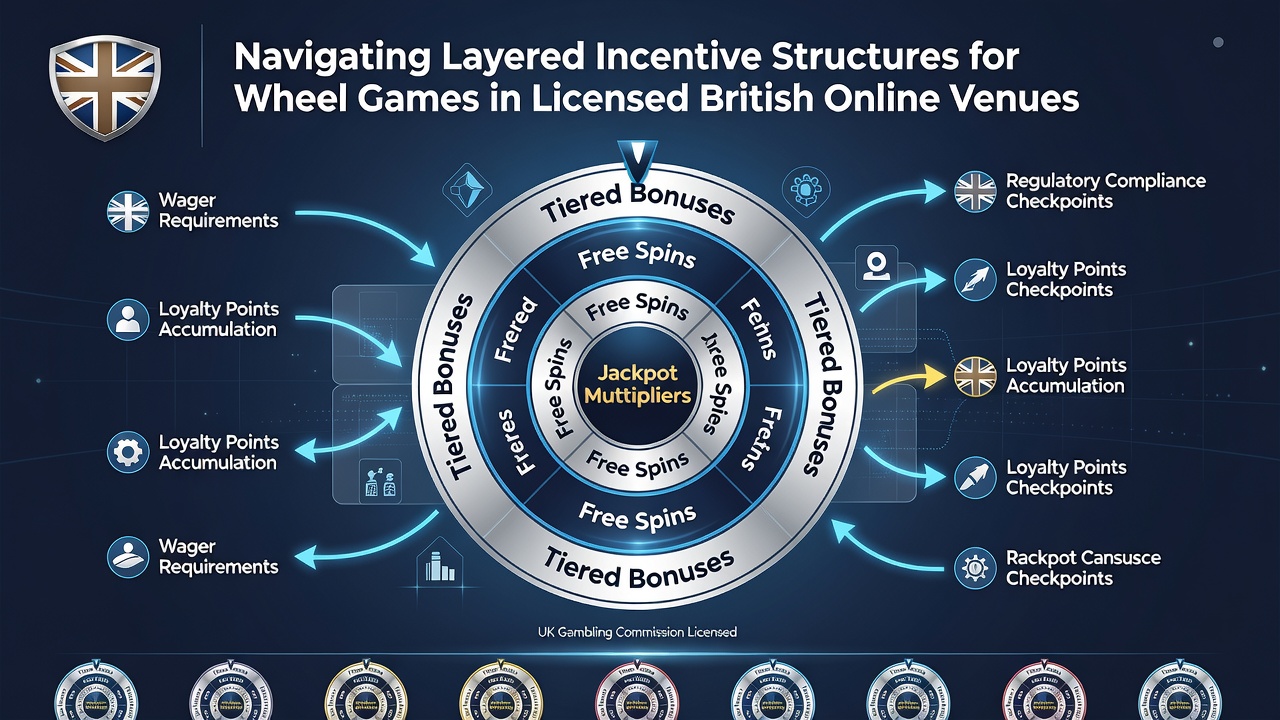
According to figures released by the European Gaming and Betting Association, operators in regulated markets have standardized certain disclosure practices that list maximum conversion amounts from bonus credit to cash, which helps players calculate realistic returns before committing to a full incentive stack. External tools and browser extensions that aggregate promotional calendars across multiple sites have gained traction because they reduce the manual effort of cross-referencing expiration dates and minimum deposit thresholds.
Interaction Between Tiers and Game Variants
Wheel games interact with incentive layers differently depending on whether the venue applies flat contribution rates or variable ones based on bet type, such as inside versus outside wagers in roulette. Those who have examined multiple platform rule sets discover that live dealer tables sometimes receive higher weighting than RNG versions, which influences decisions about session timing and venue selection.
Reload sequences often reset or stack with existing loyalty progress, creating situations where a single deposit can advance a player through two tiers simultaneously when timed correctly. Data indicates that October 2026 brought more venues offering weekend-specific multipliers on wheel game wagers, which layered onto existing cashback structures without altering the base wagering multiples.
Practical Navigation Strategies Observed
Players frequently establish separate accounts for different incentive focuses, one dedicated to high-volume tournament grinding and another for steady cashback accumulation, because single-account limits prevent full exploitation of every available layer. Support interactions sometimes unlock unadvertised reload codes or extended expiration windows, though these remain at operator discretion and require documented requests rather than automatic application.
Referral mechanisms sit outside standard tiers yet feed into them by granting bonus credit that counts toward loyalty points once certain conditions are met, which creates an additional entry point for new accounts. Research indicates that systematic logging of every bonus code, deposit date, and wagering progress point reduces errors that lead to forfeited rewards when multiple promotions overlap.
Conclusion
Layered incentive structures for wheel games continue to evolve with regulatory updates and seasonal calendars, requiring ongoing attention to terms that govern contribution rates, tier thresholds, and conversion limits across licensed British venues. Those who maintain consistent records and review monthly updates position themselves to move through these systems efficiently while remaining compliant with each operator's distinct framework.