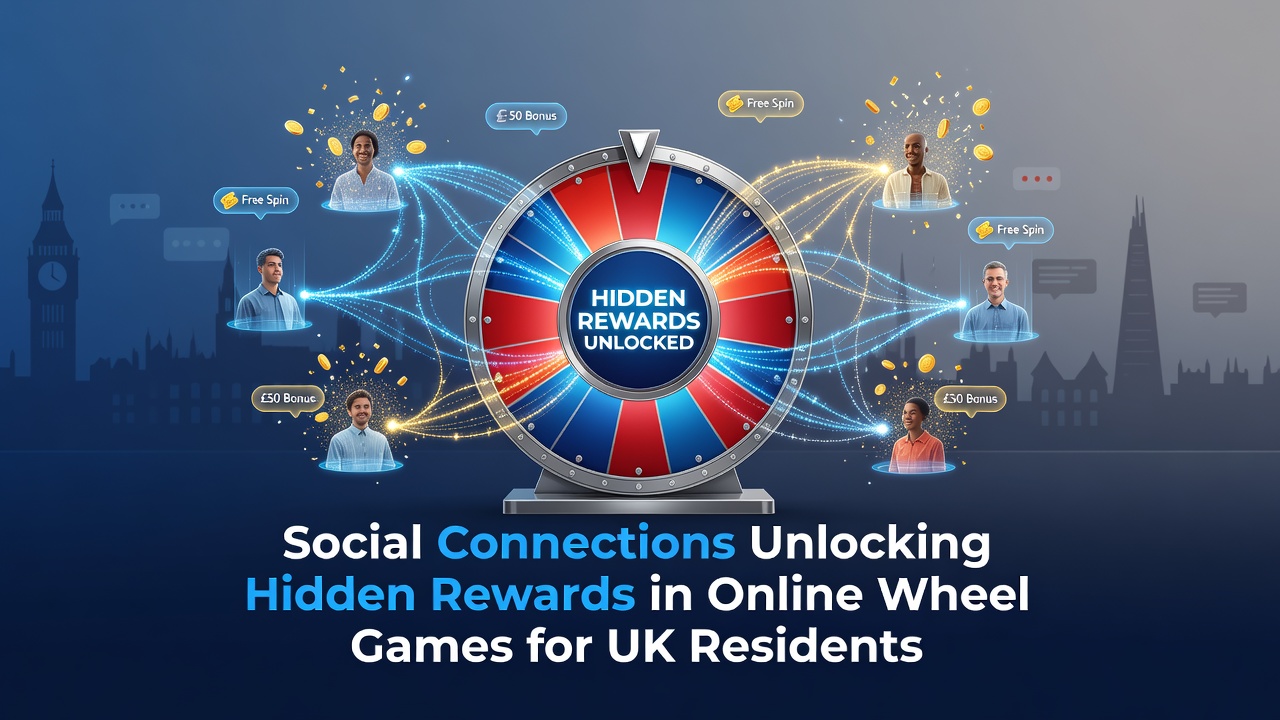
Social Networks Facilitating Access to Unique Incentives in UK Online Wheel Games
Online wheel games have incorporated social elements that allow participants to access layered reward structures through group interactions and shared activities. Data from industry reports indicate these features have expanded across platforms serving UK residents, with participation rates showing consistent growth through 2026. Observers note that September 2026 marked increased integration of community-based mechanics in several major sites, coinciding with seasonal engagement peaks ahead of major sporting calendars.
Core Mechanics of Social Integration in Wheel Games
Platforms structure social connections around referral systems, collaborative challenges, and shared progress trackers that tie individual spins to collective milestones. Research indicates these systems operate by linking player accounts through invite codes or in-game friend lists, which then trigger bonus credits once thresholds like total spins or wins are met by the group. Those who have studied platform updates report that UK operators often align these features with mobile app functionalities, enabling real-time notifications when connected users complete rounds.
One case involved a network where participants formed temporary teams for weekly wheel tournaments, and data shows reward pools distributed proportionally based on combined activity metrics. This approach differs from solitary play by distributing incentives across multiple accounts once community targets are achieved.
Patterns Observed in UK Player Engagement
Figures reveal that social-linked accounts in UK-accessible wheel games demonstrate higher retention intervals compared to isolated profiles, according to aggregated platform analytics. Players often discover additional layers through in-app communities where tips and session logs are exchanged, leading to coordinated entries in time-limited events. Experts have observed that these interactions frequently unlock tiered loyalty adjustments unavailable through standard registration paths.

What's interesting emerges when examining how geographic clusters influence reward access. Residents in regions with dense urban connectivity report more frequent participation in localized group events, while data from broader surveys highlight that rural users rely more on cross-regional friend networks to meet eligibility criteria. A study published through the Australian Gambling Research Centre examined similar social dynamics in digital gaming environments and found parallel increases in bonus utilization tied to community size.
Technical Implementation and Reward Triggers
Developers embed APIs that monitor social graph activity, converting metrics such as shared sessions or mutual referrals into redeemable credits for wheel spins. These triggers activate automatically once predefined conditions like five connected accounts reaching a combined spin count are satisfied. Observers note that September 2026 updates across several platforms refined these algorithms to reduce latency in reward delivery, improving synchronization between social actions and account credits.
Examples include leaderboards populated by friend groups, where top collective performers receive multiplier bonuses applied directly to subsequent wheel rounds. Researchers discovered through user behavior logs that such features encourage repeated logins among connected participants, sustaining activity cycles beyond individual preferences.
Regulatory Context and Platform Adaptations
UK residents interact with these systems under frameworks that emphasize transparency in how social data influences reward eligibility. Platforms must display clear terms outlining group-based incentives, and compliance reports from European regulatory bodies show operators adjusting interfaces to separate social mechanics from core gameplay elements. This separation helps maintain distinct pathways for rewards earned through connections versus solo participation.
One analysis from the Responsible Gambling Council in Canada reviewed cross-border digital gaming trends and noted that social reward layers have prompted operators to implement additional verification steps for group formations, ensuring compliance with age and location restrictions applicable to UK users.
Future Trajectories for Community-Driven Features
Industry projections suggest continued refinement of social mechanics in wheel games, with potential expansions into virtual event spaces that simulate shared physical environments. Data indicates these developments could further tie reward access to sustained network participation, creating layered ecosystems where connections directly influence available incentives. Those monitoring platform roadmaps report testing phases underway for features that blend social media integrations with in-game wheel mechanics.
Conclusion
Social connections in online wheel games for UK residents function through structured mechanics that convert group activity into individualized reward opportunities. Platform data and external research consistently demonstrate measurable differences in engagement patterns when these features are active. As implementations evolve through 2026 and beyond, the emphasis remains on transparent systems that link community interactions to accessible incentives without altering core game structures.